Disgraced Dem could be eligible for $1M in pension, benefits…
U.S. returns 33 Mexican troops — found in Texas…
NASA Warns Of Global Catastrophe Post Upcoming …
NASA has warned of a once-in-a-lifetime ‘space storm’ after the sun wakes ‘from a deep slumber’ sometime around 2013, causing ‘20 times more economic damage than Hurricane Katrina’.
Senior space agency scientists believe that the super storm would hit like ‘a bolt of lightning’ and damage everything from emergency services’ systems, hospital equipment, banking systems and air traffic control devices, through to “everyday” items such as home computers, iPods and Sat Navs.
And unless precautions are taken, it could cause catastrophic consequences for the world’s health, emergency services and national security.
“We know it is coming but we don’t know how bad it is going to be,” Dr Richard Fisher, the director of NASA’s Heliophysics division, said in an interview with The Daily Telegraph.
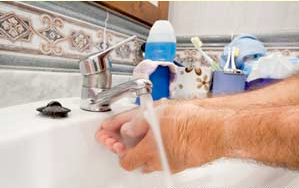
(Mercola.com) The main compounds in antibiotic wipes, creams and soaps — triclosan and triclocarban — have been added to chopping boards, refrigerators, plastic lunchboxes, and mattresses in an attempt to halt the spread of microbes.
But studies show that these antibiotic chemicals are no more likely than regular soap to prevent gastrointestinal or respiratory illness. In fact, for chronically sick patients, antibiotic soaps were actually associated with increases in the frequencies of fevers, runny noses and coughs.
According to Scientific American:
“What we do know is that the influence of these wipes and salves does not end with our hands, but instead spreads from them down our drains and out into society.
What happens when antibiotic soaps and suds go down drains? To find out, a group of scientists recently made artificial drains clogged with bacteria … and then subjected them to low and high doses of triclosan … Triclosan kills ‘weak’ bacteria but favors the tolerant, among them species of bacteria that eat triclosan … Triclosan may also favor lineages of bacteria that are also resistant to the oral antibiotics used in hospitals”.

 From Deep Underground at Missile Command ...Headhunter20